Source Drawstring Cotton Dust Bag for Shoe, Travel, and Wine Storage
Explore 30 verified options for the drawstring cotton dust bag suitable for shoe storage, travel, and wine protection. Buyers can compare customization, printing methods, and delivery times from manufacturers in China to find the best fit for their needs; compare the available evidence and request quotations based on your requirements.
Key considerations
Products List


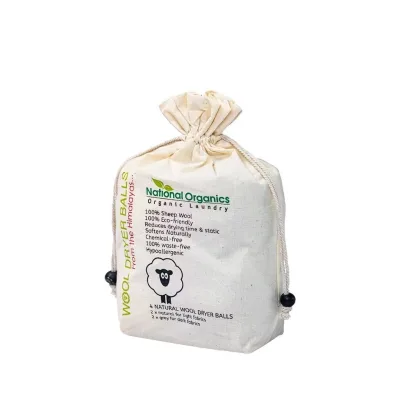


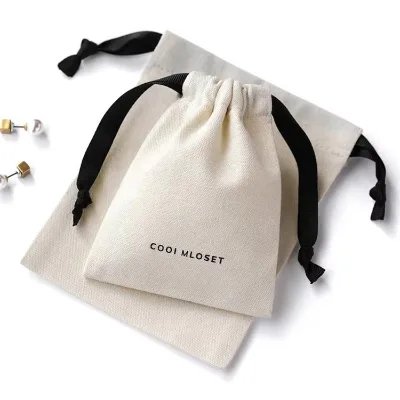


Comprehensive Sourcing Guide
Drawstring Cotton Dust Bag Sourcing Guide
Sourcing drawstring cotton dust bags requires a clear understanding of the material’s natural properties and the specific manufacturing capabilities of potential suppliers. These bags are typically crafted from 100% cotton or cotton canvas, offering a soft, breathable, and eco-friendly alternative to synthetic packaging options. The drawstring closure provides a secure yet accessible way to store and transport items, making them suitable for a variety of retail and personal use cases. Buyers must distinguish between standard off-the-shelf designs and fully customized solutions, as the latter often involve more complex production workflows and longer lead times.
The visual and functional appeal of these bags often hinges on the quality of the printing and the finish of the handles. Common printing methods include heat transfer, offset printing, silk screening, and gilding, each offering different durability and aesthetic results. Handle materials can be customized to match the bag’s body, using cotton or canvas for a uniform look, or other materials for contrast. Understanding these technical nuances is essential for selecting a supplier who can deliver the desired quality and brand alignment without compromising on structural integrity or print clarity.
Product Scope and Observed Listing Signals
The market for drawstring cotton dust bags presents a diverse range of options, with observed price points ranging from $0.04 to $1.35 per unit. This wide variance often reflects differences in material weight, printing complexity, and order volume. Minimum order quantities (MOQs) are equally flexible, starting from as low as one unit for samples up to 3,000 units for bulk production. Buyers should note that while some listings offer low MOQs, the per-unit cost may be significantly higher, whereas larger orders typically unlock more competitive pricing tiers.
Product attributes vary significantly across suppliers, with many offering unisex designs in soft, non-waterproof finishes. Common usage scenarios include shoe storage, sports gear, wine transport, travel essentials, and beach accessories. Some listings also highlight applications for jewelry and gift packaging, emphasizing a fashionable and square-shaped design. The availability of customization options, such as logo printing and color selection, is a key differentiator. Buyers should verify if the supplier can accommodate specific size requirements, as many offer middle or medium sizes ranging from 30 to 50 cm, with custom sizing available upon request.
Technical Specifications to Verify
When evaluating technical specifications, the material composition is a primary concern. Most suppliers specify 100% cotton or cotton canvas, but buyers should confirm the fabric weight and weave density to ensure durability. The handle material is another critical detail; while cotton or canvas handles are standard, some suppliers allow for custom handle requests. The shape of the bag is typically square, but dimensions can vary. Buyers must verify the exact single package size and gross weight, as these factors impact shipping costs and storage efficiency.
Printing and branding capabilities are also key technical aspects. Suppliers often offer multiple printing processes, including heat transfer, offset printing, silk printing, and gilding. The choice of printing method affects the longevity of the logo and the overall aesthetic. Some listings mention the ability to produce bags with or without logos, or with gilding details. Buyers should request samples to assess print quality, color accuracy, and the strength of the drawstring closure. Additionally, verifying the packing method, such as OPP bags or customized packaging, is essential for protecting the product during transit.
Compliance and Safety Documentation
Compliance and safety documentation are crucial for ensuring that the sourced bags meet international standards and regulatory requirements. Many suppliers claim certifications such as ISO9001, BSCI, GRS, and OCS, which indicate adherence to quality management, social responsibility, and recycled content standards. Buyers should verify the validity of these certifications by requesting current audit reports or certificates from accredited bodies. It is important to note that while some listings mention GOTS, this is often a low-confidence background fact and should be treated with caution until independently verified.
In addition to certifications, buyers should inquire about the safety of inks and dyes used in the printing process. For products intended for children or sensitive skin, non-toxic and eco-friendly inks are essential. Suppliers should be able to provide material safety data sheets (MSDS) or test reports confirming the absence of harmful substances. Understanding the supply chain’s transparency is also vital, especially if the bags are marketed as sustainable or ethically produced. Buyers should ask for details on the origin of the cotton and the manufacturing processes to ensure alignment with their corporate social responsibility goals.
Cost Drivers and Commercial Terms
Several factors influence the cost of drawstring cotton dust bags, including material costs, printing complexity, and order volume. The base price of cotton fabric fluctuates based on global market conditions, affecting the final product cost. Printing methods such as gilding or multi-color offset printing are more expensive than simple heat transfer or silk screening. Buyers should also consider the cost of customization, such as unique sizes or handle materials, which may incur additional setup fees. Understanding these cost drivers helps in negotiating better prices and avoiding hidden charges.
Commercial terms, including lead times and shipping methods, also impact the overall procurement cost. Typical sample times range from 3 to 7 days, while bulk delivery times can vary from 15 to 30 days. Suppliers often offer air, sea, train, or express shipping options, each with different costs and transit times. Buyers should clarify the Incoterms and payment terms to avoid unexpected expenses. Additionally, some suppliers highlight their location, such as factories in Shanghai or Zhejiang, which may offer logistical advantages. Understanding these commercial details ensures a smoother procurement process and better budget management.
Supplier Qualification and Quality Control
Supplier qualification is a critical step in ensuring the reliability and quality of the sourced products. Buyers should assess the supplier’s manufacturing experience, with many claiming over a decade of expertise in producing cotton bags. Visiting the factory or requesting virtual tours can provide insights into their production capabilities and quality control processes. Suppliers with established facilities in key manufacturing hubs like Shanghai or Cangnan often have streamlined operations and better access to raw materials. Verifying the supplier’s ability to handle large volumes while maintaining consistent quality is essential for long-term partnerships.
Quality control measures should be clearly defined and agreed upon before production begins. Buyers should request pre-production samples and conduct thorough inspections upon receipt. Key quality checks include verifying the material composition, print quality, stitching strength, and overall dimensions. Suppliers should have a robust quality assurance system in place, including in-process inspections and final random inspections. Establishing clear acceptance criteria and rejection protocols helps in maintaining high standards. Regular communication and feedback loops with the supplier can also help in identifying and resolving issues promptly, ensuring consistent product quality.
Long-Term Procurement Checks
Long-term procurement success depends on continuous monitoring and evaluation of supplier performance. Buyers should establish key performance indicators (KPIs) such as on-time delivery rates, defect rates, and responsiveness to issues. Regular audits and performance reviews help in identifying areas for improvement and ensuring that the supplier meets evolving business needs. Building a strong relationship with the supplier through open communication and mutual trust can lead to better pricing, priority production, and collaborative innovation. Long-term partnerships often result in more favorable terms and a more reliable supply chain.
Additionally, buyers should stay informed about market trends and regulatory changes that may impact the sourcing of cotton dust bags. Keeping an eye on sustainability trends and consumer preferences for eco-friendly products can help in aligning procurement strategies with market demands. Regularly reviewing and updating supplier contracts ensures that terms remain competitive and relevant. By maintaining a proactive approach to supplier management, buyers can mitigate risks, optimize costs, and ensure a steady supply of high-quality drawstring cotton dust bags for their business needs.
FAQs
What materials are used for the drawstring cotton dust bag?
The bags are made from 100% cotton fabric with cotton or canvas handles. You can customize the color and material to suit your specific needs. This ensures a soft texture suitable for various uses like jewelry, gifts, or travel storage.
Can I customize the logo and printing on these bags?
Yes, customization is available with options for offset, silk, gilding, and heat transfer printing. You can choose to include a logo or keep the bag without one. The factory supports custom designs to meet your branding requirements effectively.
What is the sample time for a cotton shopping bag order?
The sample time typically ranges from 3 to 7 days for most items. Specific shopping cotton bags may require up to 5 days for preparation. This allows you to review the quality before proceeding with a larger production run.
Which certifications do the manufacturers hold for production?
The production facilities hold ISO9001, BSCI, GRS, and OCS certifications. These standards ensure quality management and ethical sourcing practices. Buyers can verify these credentials when selecting a supplier for their custom cotton bag projects.
How long is the delivery time for a bulk order?
Delivery time generally takes between 15 to 30 days after order confirmation. Some specific shopping cotton bags may have a lead time of 15 days. Shipping methods include air, sea, train, or express depending on your urgency and location.
What is the minimum order quantity for these bags?
The minimum order quantity ranges from 1 to 3000 units depending on the specific product model. This flexibility allows small businesses to start with low volumes while larger buyers can secure bulk pricing. Check specific model requirements for exact MOQ details.
Where are the factories located that produce these bags?
Factories are located in Shanghai City and Cangnan of Zhejiang, China. The Ningbo and Shanghai ports serve as shipping points for international orders. This location offers experienced manufacturing capabilities with over 12 years of production experience.